
Want to buy Japanese tableware but hesitant between handmade and mass-produced? Both have their advantages. This article compares the differences in the simplest way and provides practical checklists to help you make a decision based on your intended use, budget, and maintenance habits.
1. The core differences are immediately apparent.
Handmade (craftsmanship)
- Each piece is unique, with natural variations in glaze color and texture (common production areas: Hasami, Mino, Seto).
- Advantages: It has a strong tactile feel and a compelling story, making it more substantial for entertaining or gifting.
- Disadvantages: Higher price, size and appearance may not be exactly the same, and requires careful maintenance.
- Each piece is unique, with natural variations in glaze color and texture (common production areas: Hasami, Mino, Seto).
- Advantages: It has a strong tactile feel and a compelling story, making it more substantial for entertaining or gifting.
- Disadvantages: Higher price, size and appearance may not be exactly the same, and requires careful maintenance.
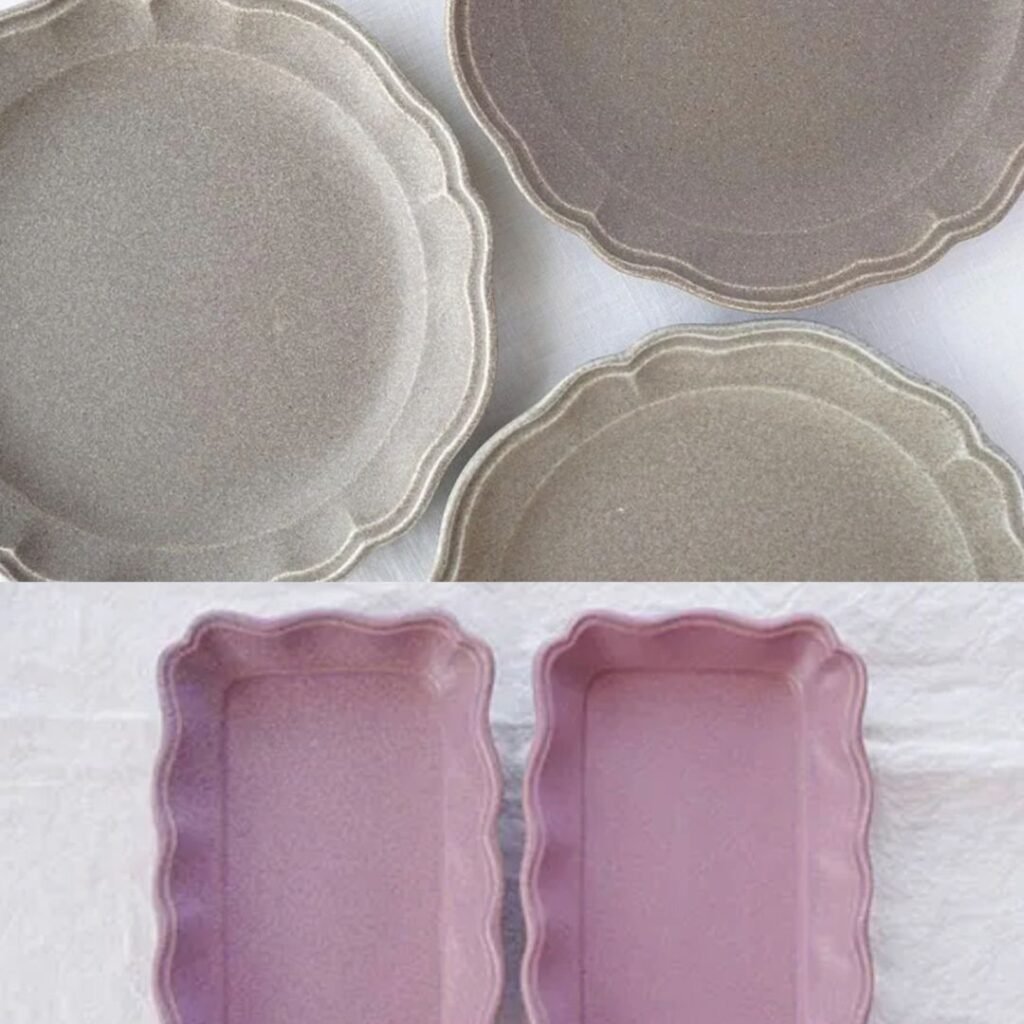
Mass production (industrial manufacturing)
- Consistent size and appearance, stable quality, and large supply.
- Advantages: durable, affordable, easy to replenish and replace.
- Disadvantages: Lacks the uniqueness of handmade items and the story behind the craft.
2. Choose according to purpose (practical orientation)
- For frequent daily use (such as if there are children at home or if you need to change frequently): it is recommended to choose mass-produced or machine-washable porcelain for easy maintenance.
- For hospitality, gift-giving, or emphasizing a sense of ceremony: choose key pieces made by the guests (such as the main course plate or tea set) to enhance the overall feel.
- Collecting or displaying: Focus on the hands, and pay attention to the place of origin and author information.
3. Five quick checkpoints on product pages or in physical stores
- Place of origin and labeling: Indicate whether the place of origin, kiln or author is clearly marked.
- Detailed observation: Handmade items often have tiny glaze marks, incompletely symmetrical foot rings, or kiln-transformed color spots (which are normal).
- Price and Quantity: If the unit price is significantly high and the quantity is limited, it is likely to be handmade or a limited edition.
- Supporting evidence: Kiln stamps, small cards, or place of origin descriptions are bonus points.
- Ask the seller for more real-life photos from different angles, a return and exchange policy, and a statement explaining the consistency of the product.
4. Tips on the application of materials and glazes
- Porcelain: smooth surface, high hardness, suitable for daily use and microwave.
- Earthenware/stoneware: It has a rich feel but a high water absorption rate, so it is more suitable for hand washing and should be kept away from drastic temperature changes.
- Glaze: Transparent glaze is relatively easy to clean; coarse glaze or mottled glaze should be cleaned with strong acids or alkalis.
5. Price vs. Value Considerations (Investment vs. Consumption)
- If practicality and cost-effectiveness are the priorities, mass-produced porcelain is usually more suitable.
- If you value the story behind the item or intend to preserve it long-term: handmade items have greater collectible value and are worth investing in.
6. Purchase Recommendations (Quick Checklist)
- Beginner Set:Main plate + small dish + teacups(It can be a mix of handmade and mass-produced items, taking into account both aesthetics and durability).
- Gift givingChoose handmade items with original packaging or kiln marks.SetIf you're worried about the style not matching, you can choose neutral colors or simple styles to reduce the risk of wearing the same thing as someone else.
- Online shopping checklist: Look at photos from multiple angles, size/weight markings, and a clear return and exchange policy.
7. Three-Step Quick Judgment Method
- Purpose: For home use, entertaining guests, or collection?
- Budget: Low/Medium/High?
- Maintenance and replacement frequency: If used frequently, choose durable mass production; if used infrequently or for heavy display, choose custom production.
If durability and convenience are your priorities, choose mass-produced items; if you value storytelling and tactile experience, choose handmade items. In practice, a hybrid strategy of "handmade key components + mass-produced everyday items" can be used to balance aesthetics and practicality.
Want to see a comparison between our handmade and mass-produced items?
 Check out Deonki's "Japanese Tableware and Home Goods" category: