
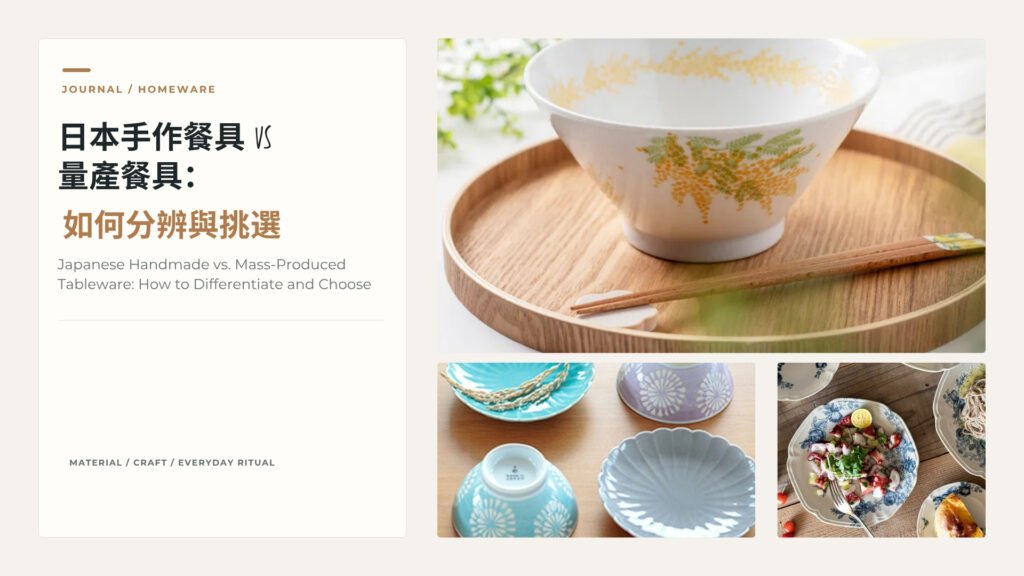
Thinking of buying Japanese tableware but not sure whether to choose handmade ceramics or mass-produced tableware? Both have their place. The best choice depends on how you plan to use it, your budget, and how much care you are willing to give each piece.
1. Handmade vs Mass-Produced Japanese Tableware: Key Differences
Handmade Japanese Tableware
Handmade pieces are crafted by artisans, so each item has its own subtle variations in glaze, shape, texture, and finish. Popular ceramic regions include Hasami ware, Mino ware, and Seto ware.
Pros: Unique character, refined craftsmanship, and a stronger sense of story. Ideal for hosting, gifting, or creating a more personal dining experience.
Cons: Usually more expensive. Size, color, and finish may vary slightly from piece to piece, and some items require gentler care.
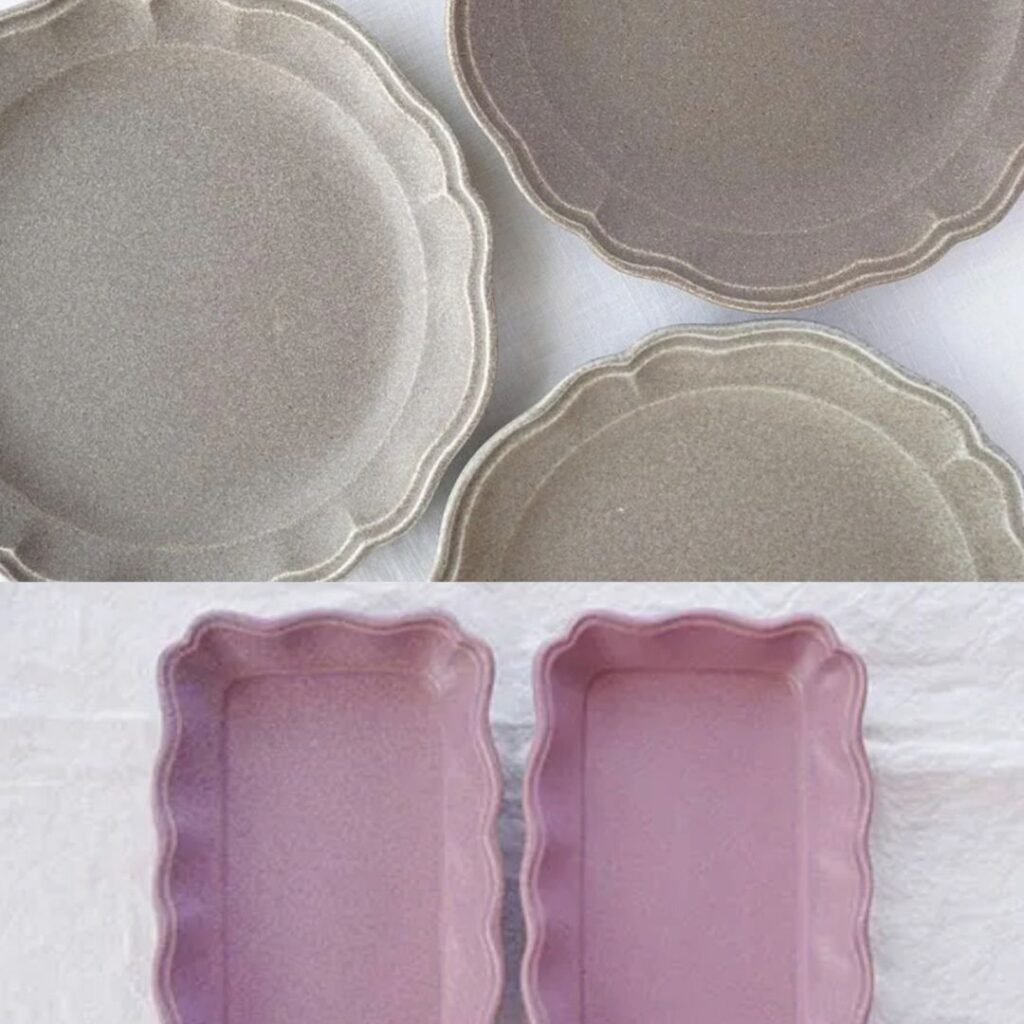
Shown in the photo: Japanese artisan handmade ceramic plates, each featuring a unique warm glaze and handcrafted texture.
Mass-Produced Japanese Tableware
Mass-produced tableware is made with standardized processes, giving each piece a more consistent size, shape, color, and finish.
Pros: Durable, affordable, easy to replace, and practical for everyday use.
Cons: It may lack the unique character, handmade texture, and craftsmanship story found in artisan-made Japanese ceramics.
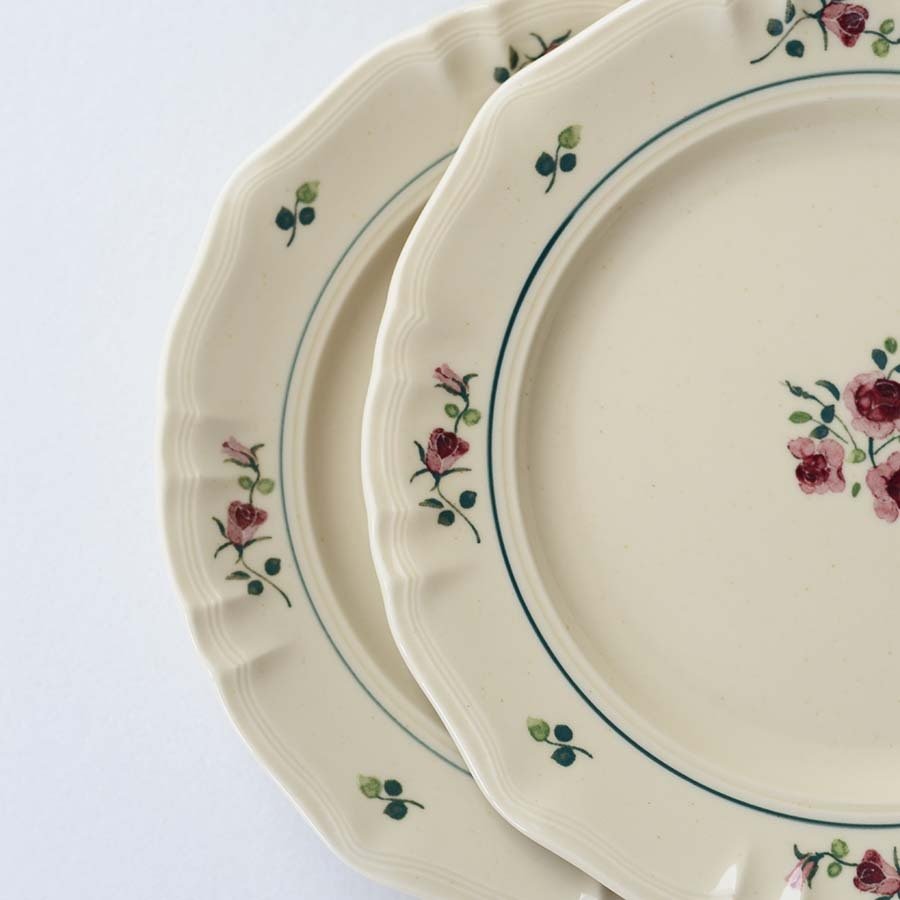
Shown in the photo: Japanese Studio M' Rosier ceramic tableware,designed to balance everyday practicality with refined aesthetics.
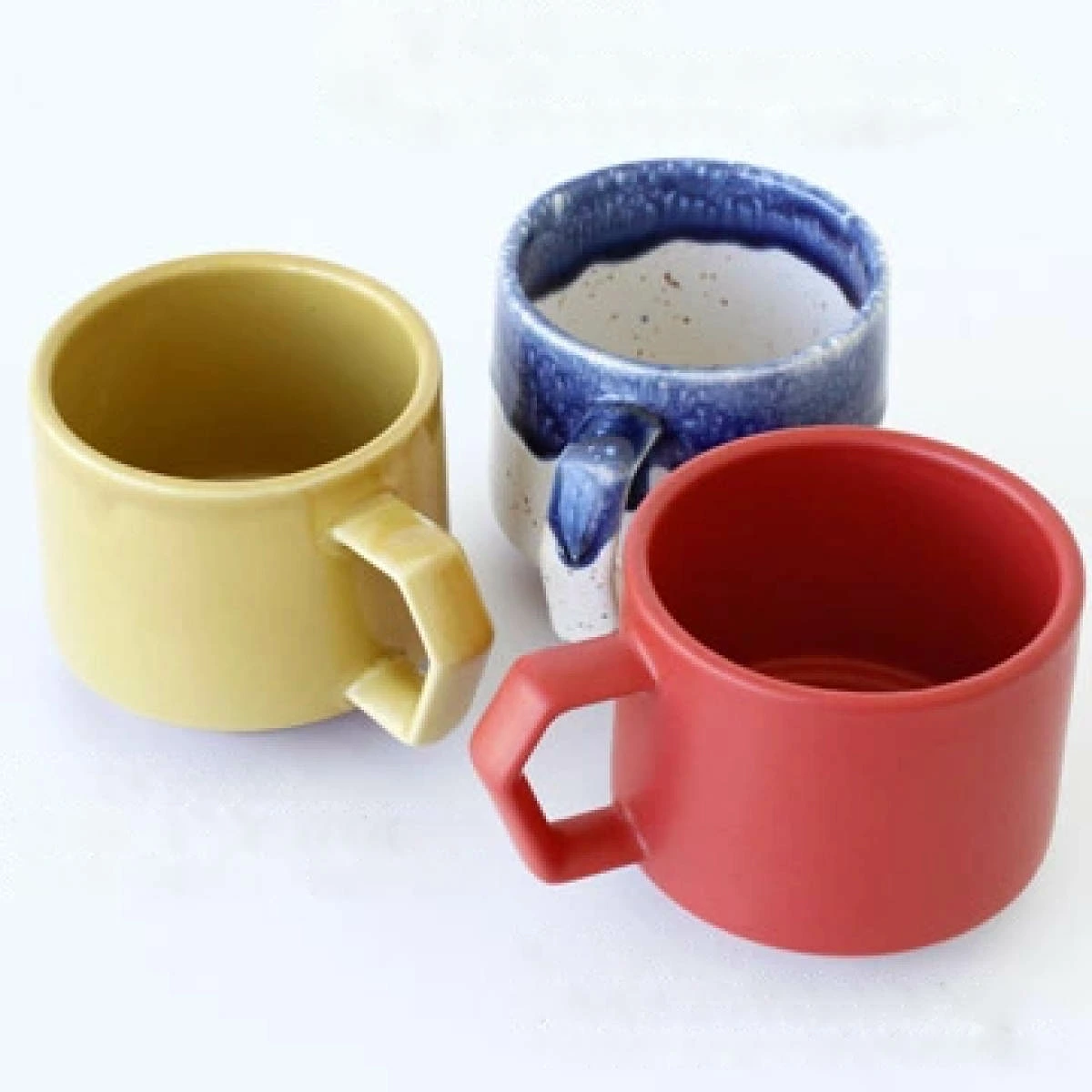
Shown in the photo: Japanese Mino Ware CHIPS Mug ceramic cups,featuring vibrant colors and the solid durability of mass-produced ceramics.
2. Choose by Use: A Practical Guide
For everyday use: If you use your tableware frequently, have children at home, or need pieces that are easy to replace, choose mass-produced Japanese tableware or dishwasher-safe porcelain for easier care.
For hosting, gifting, or special occasions: Choose one or two handmade Japanese ceramic pieces, such as a main serving plate, matcha bowl, or tea set, to add warmth, elegance, and a stronger sense of occasion.
For collecting or home styling: Handmade pieces are usually the better choice. Look for details such as the production region, kiln, artisan, and craftsmanship background.
3. Five Quick Checks Before Buying Japanese Tableware
Check the origin and product details: Look for clear information about the production area, kiln, artisan, or maker.
Look closely at the finish: Handmade ceramics may show small glaze marks, slight asymmetry around the foot ring, or natural kiln-effect color variations. These are usually part of the charm, not defects.
Compare the price and availability: A higher price and limited quantity often suggest handmade, small-batch, or limited-edition production.
Look for supporting details: Kiln marks, product cards, wooden boxes, or origin descriptions can add value and credibility.
Ask the seller before buying: Request real product photos from different angles, check the return policy, and confirm whether visible variations are expected.
4. Material and Glaze: What to Know Before You Buy
Porcelain: Smooth, hard, and easy to clean, making it a practical choice for daily meals. Many porcelain pieces are also microwave-safe, but always check the product care label first.
Stoneware and earthenware: These often have a warmer texture and more handmade character. They may absorb more moisture, so hand washing is usually recommended. Avoid sudden temperature changes to prevent cracking.
Glaze finish: Clear or smooth glazes are generally easier to clean. Rough, textured, or speckled glazes should be washed gently and kept away from strong acidic or alkaline cleaners.
5. Price and Value: Everyday Purchase or Long-Term Investment?
If you care most about practicality, durability, and cost performance, mass-produced porcelain is usually the smarter choice.
If you value craftsmanship, uniqueness, and long-term enjoyment, handmade Japanese tableware can be worth the investment, especially for pieces you plan to keep, display, or gift.
6.Quick Buying Checklist
Starter set:Begin with a main plate + a small dish + a teacup.You can mix handmade and mass-produced pieces to balance style, durability, and budget.
For gifting:Choose a handmade set with original packaging, kiln marks, or product cards.If you are unsure of the recipient’s style, go for neutral colors or simple designs to reduce the risk of choosing the wrong look.
For online shopping: Check multiple product photos, size and weight details, and a clear return or exchange policy before placing your order.
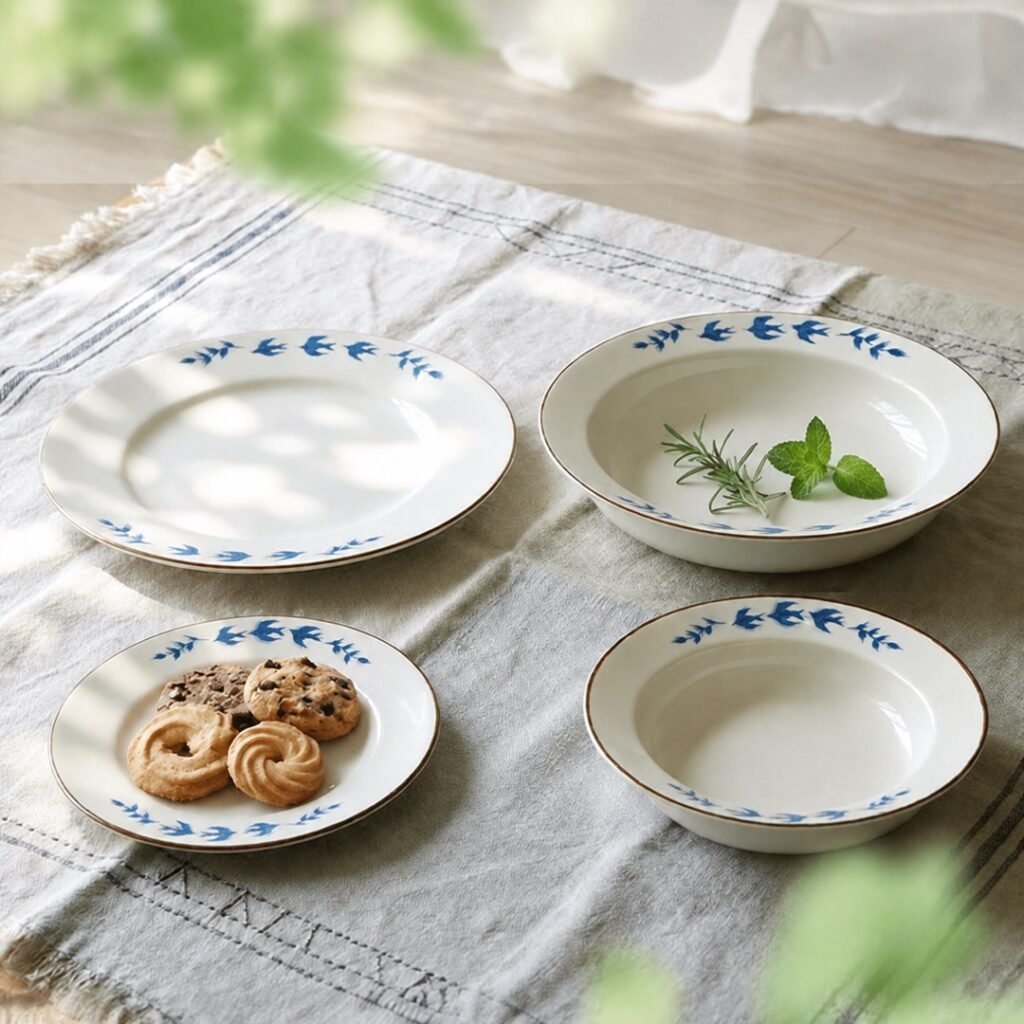
Shown in the photo: the Tsubame swallow series mass-produced plate.
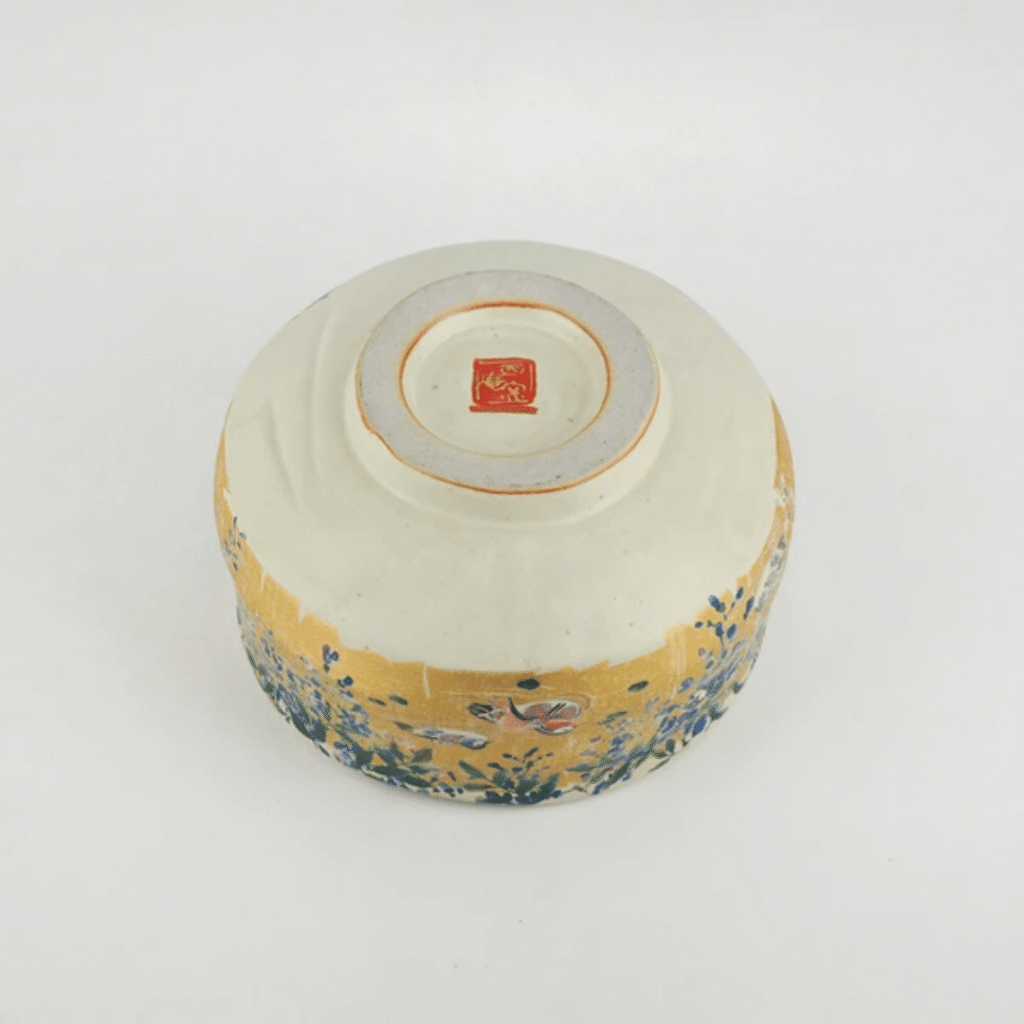
Shown in the photo: the signature and kiln mark on the base of the handmadeMino Ware Rinpa Wisteria Mandarin Duck Matcha Bowl,serving as proof of artisan craftsmanship, origin, and quality.
7. A Simple 3-Step Decision Guide
Before choosing Japanese tableware, ask yourself three questions:
Purpose:Is it for everyday meals, hosting guests, gifting, or collecting?
Budget:Are you looking for an entry-level, mid-range, or premium piece?
Care and replacement:If the item will be used often, choose durable and easy-care tableware. If it is for occasional use, display, or gifting, handmade ceramics may be the better choice.
In short, choose mass-produced tableware if you value durability, consistency, and convenience. Choose handmade Japanese tableware if you appreciate craftsmanship, texture, and the story behind each piece. For many homes, the best approach is to mix both: use handmade pieces as statement items and mass-produced pieces for daily use. This gives you a practical table setting with a refined Japanese aesthetic.
Want to compare handmade and everyday Japanese tableware?
 Explore Deonki’s Tableware Collection: