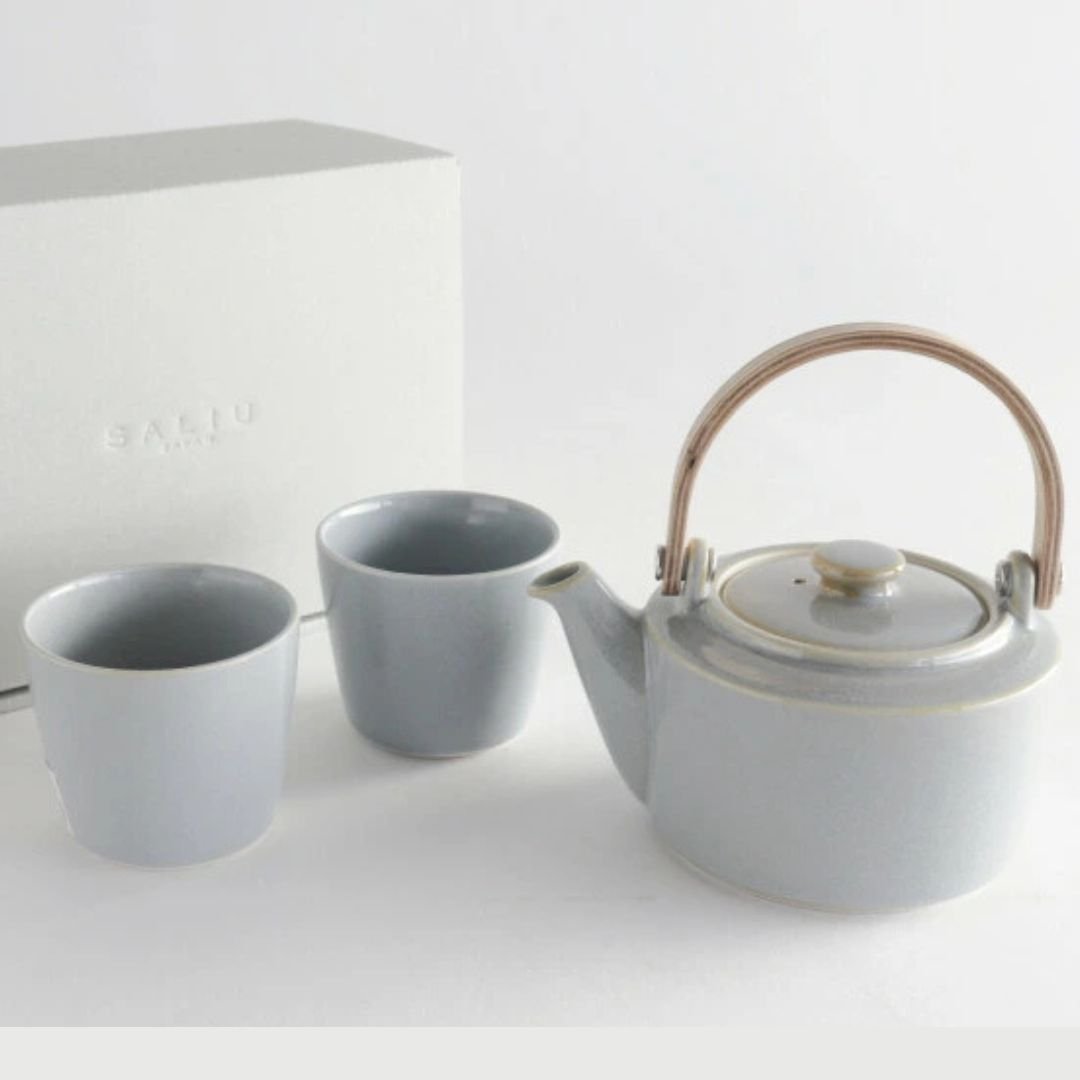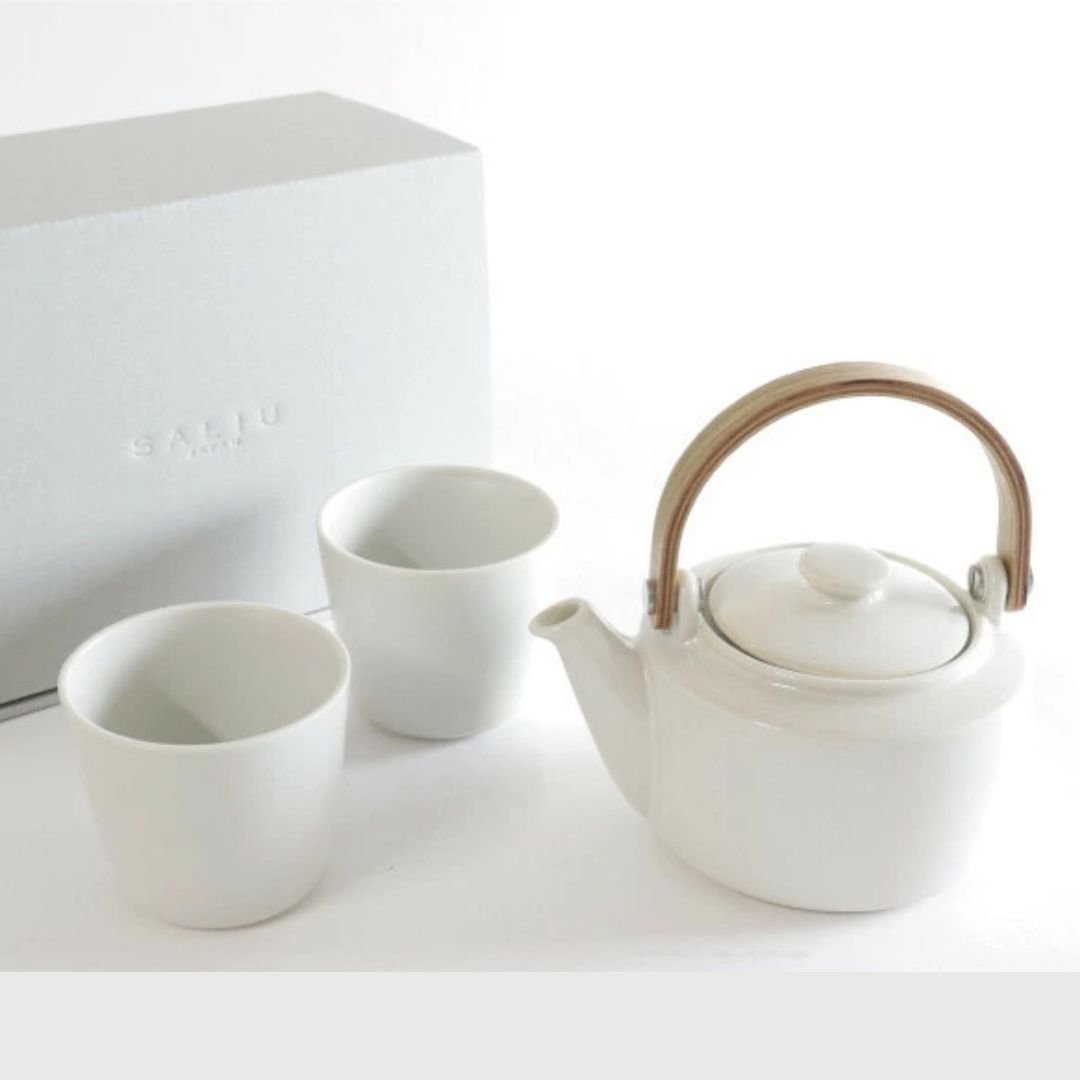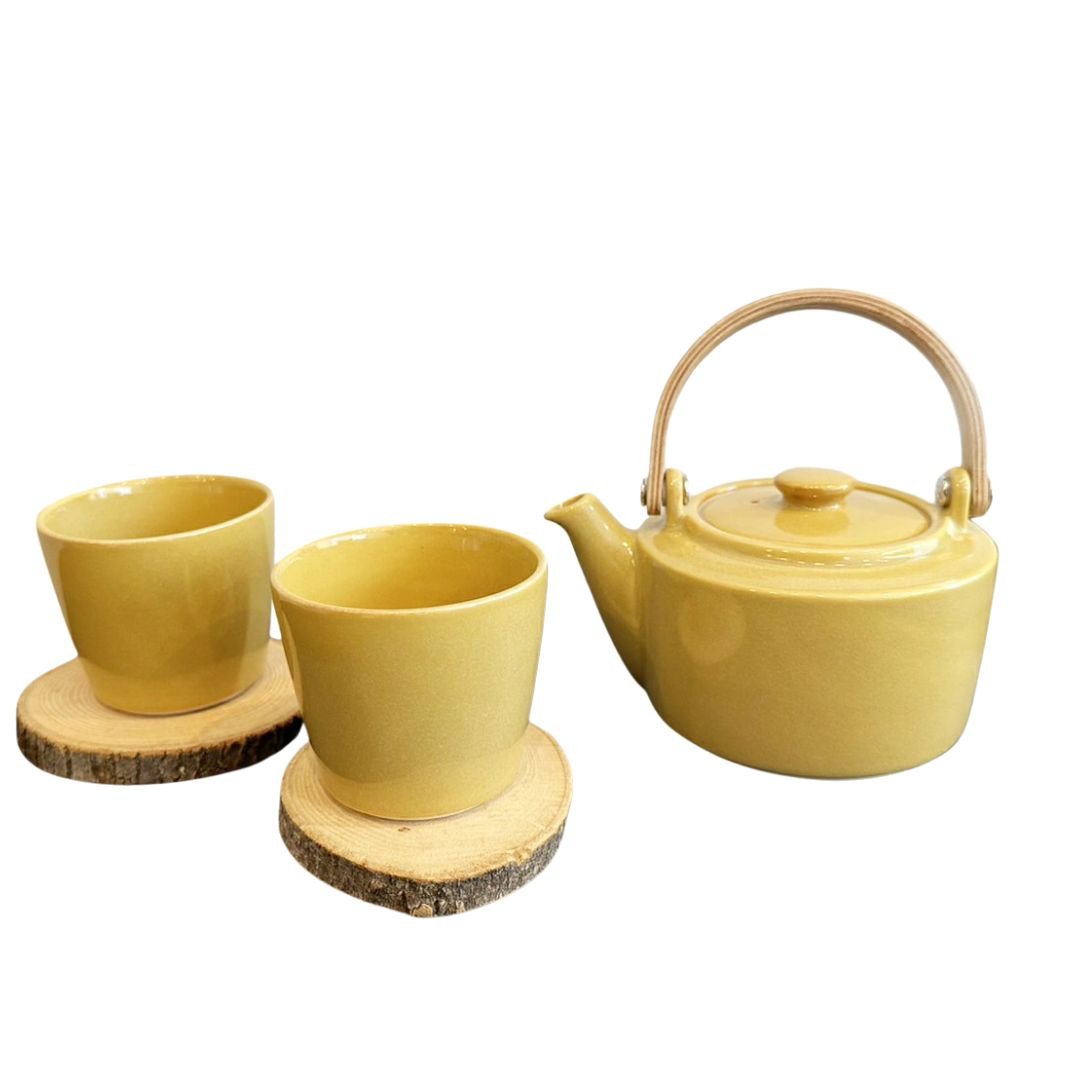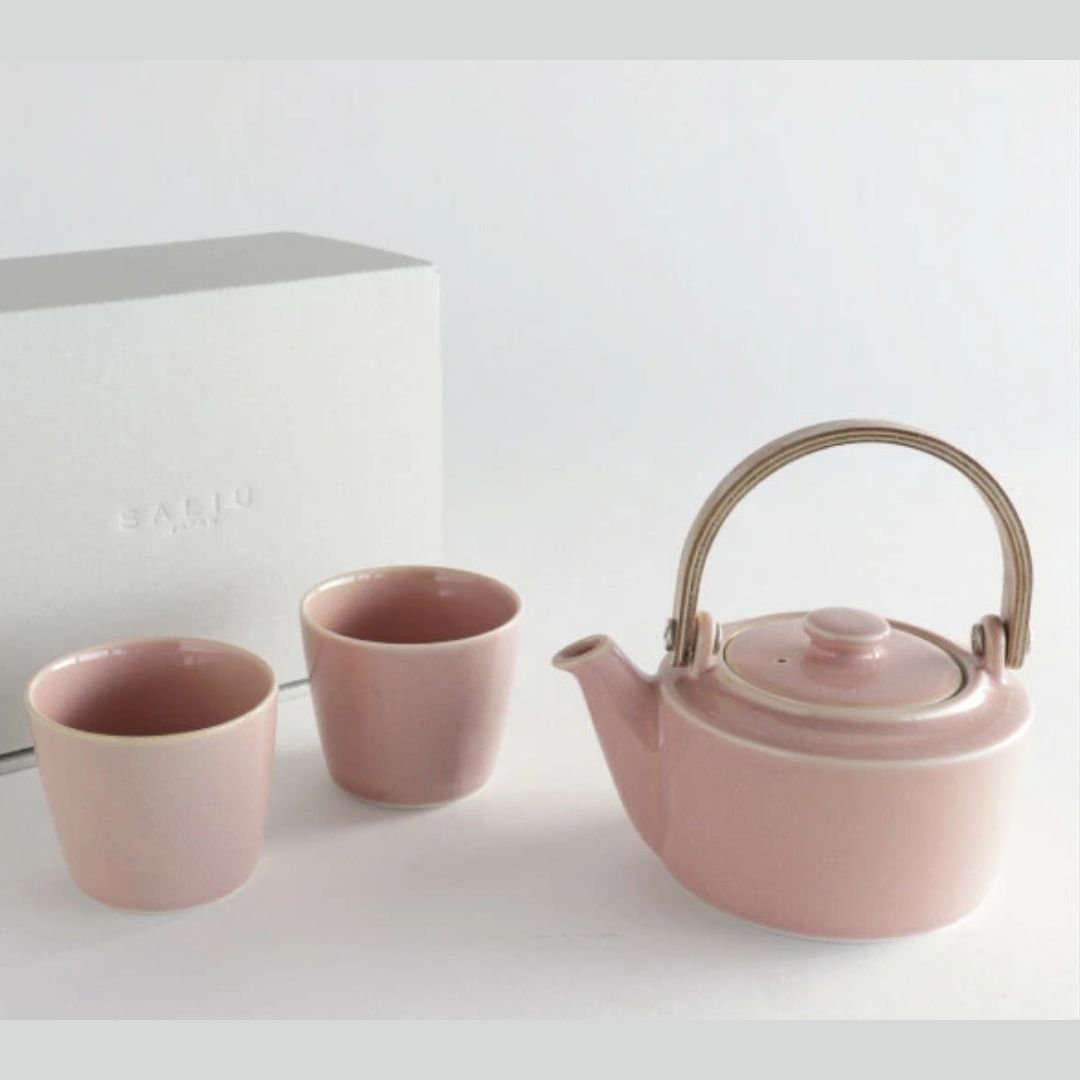






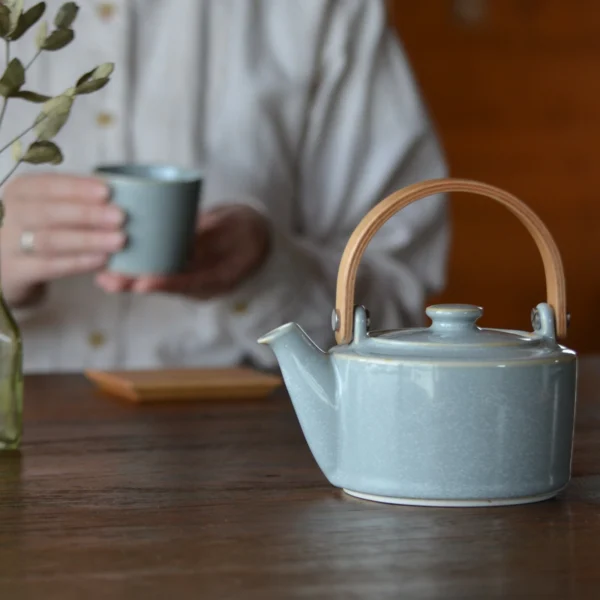

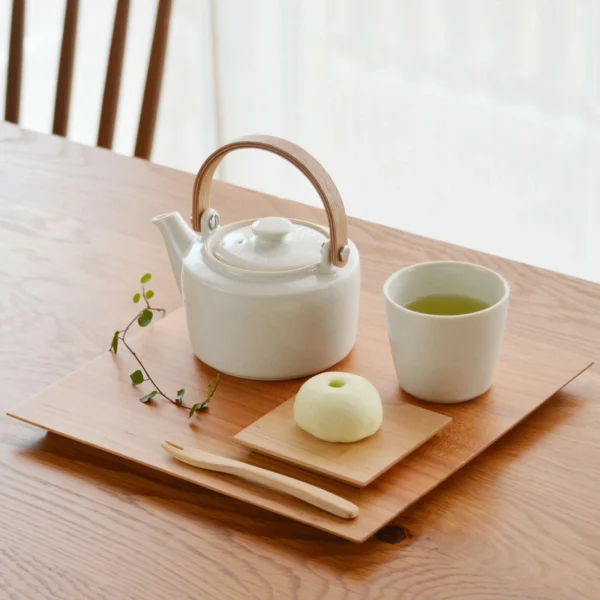






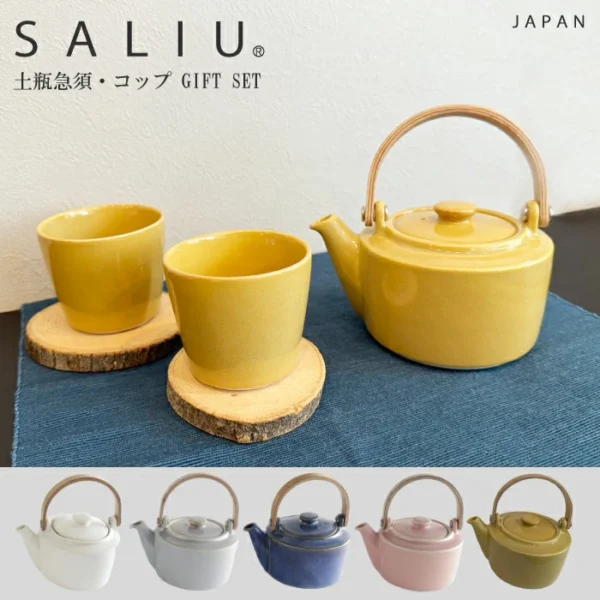
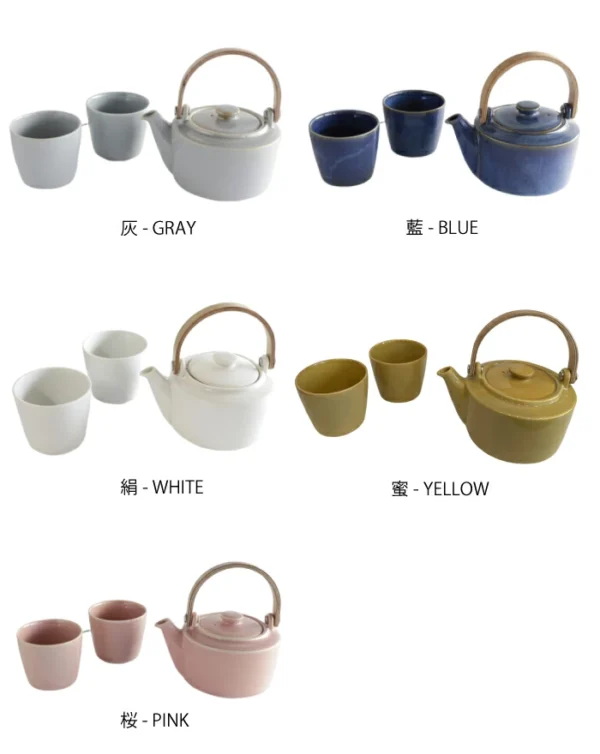
With its clean, crisp lines and rich, understated glazes, the SALIU "SYO" series showcases a simple yet refined Japanese aesthetic. The design is understated yet sophisticated, retaining the warm, tactile feel of clay within its sleek form. It blends seamlessly into modern living spaces, exuding a composed and elegant aura whether you're enjoying tea or entertaining guests.
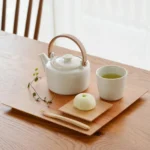
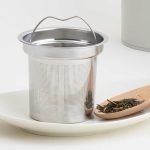
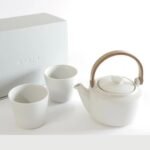
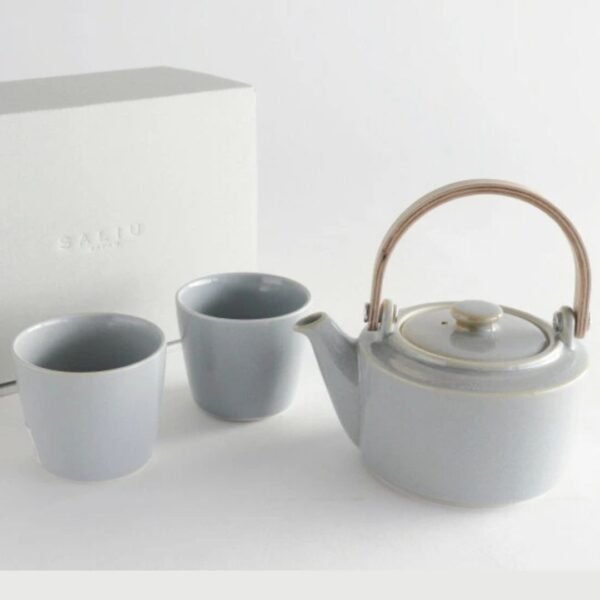
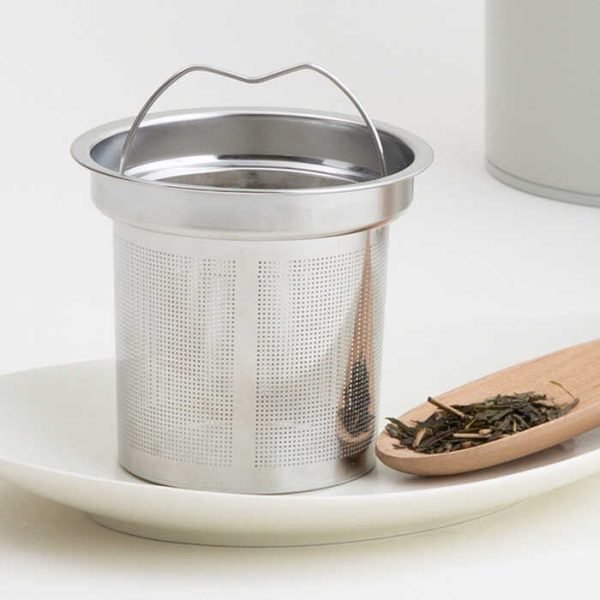
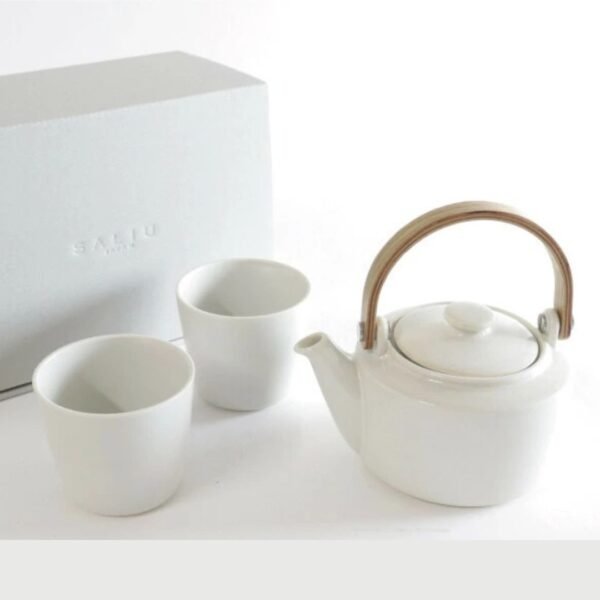
This set is a carefully curated three-piece tea set gift box, including a Japanese teapot, teacups, and a saucer. The teapot features a delicate textured finish with an expressive glaze, paired with a natural wooden handle, exuding a cool yet warm ambiance and creating a sophisticated and stylish atmosphere. It includes a stainless steel tea strainer for easy cleaning and is suitable not only for Japanese tea but also for brewing black tea, herbal teas, and Chinese teas, making it highly practical. The teapot has a practical capacity of approximately 360ml, suitable for 1-2 people, perfect for a quiet moment alone or a relaxing time shared with family and friends.
This product is made at the Mino ware kiln in Toki City, Gifu Prefecture, Japan. Fired at 1260°C, it boasts a dense body, low water absorption, and is resistant to odors and stains, combining durability with everyday practicality. Packaged in an elegant gift box, it's an ideal gift for birthdays, weddings, new home celebrations, or festive occasions.
The 3-piece set includes: 1 teapot and 2 teacups.
MADE IN JAPAN
Material:
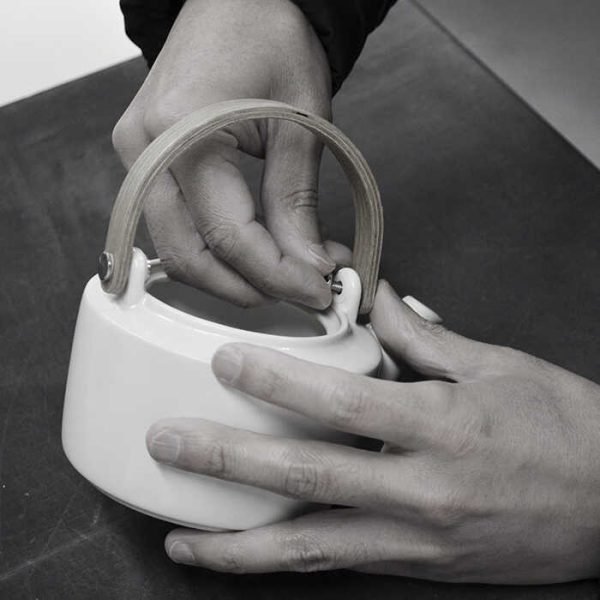
- Teapot: Body – Porcelain; Handle – Natural Wood (Willow Plywood); Tea Strainer & Attachment Screw – Brass (Nickel)
-Tea Cups: Ceramic
Size:
- Teapot: W140 × D110 × H135 mm
-Tea cup: φ75 × H65mm
- Coaster: φ100 × H10 mm
Capacity:
- Teapot: Practical Capacity – approx. 360ml; Full Capacity – 420ml
- Teacups: Full Capacity – 160ml
Notes:
・Since they are all made by hand, the size, color, and texture may vary.
・Rapid changes in temperature can cause damage.
・Due to the manufacturing process, the products may have glaze shading, sauce, pinholes, and uneven baking.
Additionally, the surface may have lines that look like cracks, but this is a glaze cracking pattern called perforation that occurs during cooling after baking and is different from cracks and scratches that occur when the glaze breaks. Please note that this is not a defective product.